

Decentralized Autonomous Organizations (DAO) and Their Role in Gambling Contracts Arbitration
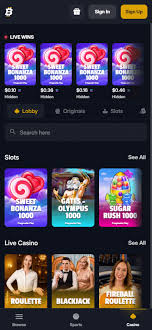
A new paradigm is emerging in online gambling: Decentralized Autonomous Organizations (DAO) are increasingly being utilized to arbitrate gambling contracts, revolutionizing the way disputes are handled in this sector. With the rise of blockchain technology, DAOs offer a promising solution to create a fair, transparent, and efficient gaming environment. This article explores the implications of using DAOs for arbitration in gambling contracts, delving into their mechanics, benefits, and challenges, while also examining real-world applications including platforms like DAO Arbitration for Gambling Contracts Bitfortune APK.
Understanding DAOs
Decentralized Autonomous Organizations are entities represented by rules encoded as a computer program that is transparent, controlled by organization members, and not influenced by a central authority. DAOs operate on blockchain technology, which ensures immutability and transparency in transactions. Members typically hold governance tokens, allowing them to influence decisions through voting mechanisms.
The Need for Arbitration in Gambling Contracts
The gambling industry has faced numerous challenges related to trust and transparency. As players engage in transactions involving significant amounts of money, disputes over outcomes, payments, and contract terms can arise. Traditional arbitration mechanisms often fall short, being time-consuming, costly, and lacking in transparency. This is where DAOs offer a new approach to arbitration.
The Mechanism of DAO Arbitration
In a DAO-based arbitration system, disputes are resolved through a decentralized process involving community members. When a dispute arises, affected parties can present their claims to the DAO, where members can review the case and provide their input. The decision-making process typically involves:
- Submission of Evidence: Players submit evidence supporting their claims, which is then reviewed by DAO members.
- Voting by DAO Members: After assessing the information, members vote on the outcome of the dispute.
- Execution of the Decision: Upon reaching a consensus, the DAO executes the decision, ensuring compliance through smart contracts.
Benefits of DAO Arbitration in Gambling Contracts
The use of DAOs for arbitration in gambling contracts offers several key benefits:
1. Transparency
Each step of the arbitration process is recorded on the blockchain, providing all parties with access to the evidence, votes, and final outcomes. This transparency builds trust between players and operators.
2. Reduced Costs
By eliminating intermediaries, DAOs can significantly reduce the costs associated with traditional arbitration, making dispute resolution more accessible to players.
3. Speed
Smart contracts facilitate faster execution of decisions. Once a ruling is made by the DAO, the outcome can be automatically enforced via the blockchain, leading to quicker resolutions compared to conventional methods.
4. Community Involvement
Players have a voice in the arbitration process, allowing for more democratic involvement in decision-making. This empowers users and encourages a sense of ownership and trust in the platform.
Challenges Facing DAO Arbitration
While DAO arbitration presents exciting opportunities, it also faces several challenges:
1. Governance Issues
Determining the governance structure of a DAO can be complex. Achieving a fair voting mechanism that adequately represents the interests of all participants is crucial for the system’s effectiveness.
2. Legal Recognition
The legal status of DAOs and their arbitration decisions remains uncertain in many jurisdictions. Establishing a framework that acknowledges DAO rulings can be a significant barrier to widespread adoption.
3. Security Risks
Smart contracts, while designed to be immutable, can have vulnerabilities. Any flaws in the code could be exploited, leading to financial losses and undermining trust in the arbitration process.
Case Studies of DAO Arbitration in Gambling
Several projects have emerged that incorporate DAO-based arbitration within gambling contracts. Examples include:
1. FunFair Technologies
FunFair has integrated blockchain technology into its gaming platform to provide transparency and fairness. Their system utilizes smart contracts to facilitate trustless gambling, minimizing conflicts that require arbitration.
2. Augur
Augur is a decentralized prediction market platform that incorporates a DAO governance model. Users can resolve disputes over event outcomes, making it a fitting example of decentralized arbitration in action.
The Future of DAO Arbitration in Gambling Contracts
As the gambling industry continues to evolve, the integration of DAOs for arbitration may become increasingly commonplace. Advancements in blockchain technology and regulatory frameworks may enhance the viability and acceptance of these systems. Furthermore, increased awareness and understanding of blockchain will likely drive higher adoption rates among players and operators alike.
In conclusion, DAO arbitration presents a transformative opportunity for the gambling industry. By enhancing transparency, reducing costs, and empowering users, DAOs could redefine how disputes are resolved in gambling contracts, paving the way for a more equitable gaming landscape in the future. With continuous innovations and a community-driven approach, DAOs hold significant potential to address the long-standing challenges faced by traditional arbitration mechanisms in the gambling sector.