

Essential Guide to Mountaineering Travel Insurance
Mountaineering is one of the most exhilarating experiences one can partake in, allowing adventurers to push their limits, explore breathtaking landscapes, and bask in the glory of reaching summits. However, with such thrilling activities comes a unique set of risks and challenges that requires adequate preparation. One of the most crucial steps in ensuring your mountaineering adventure is safe and secure is to obtain appropriate mountaineering travel insurance https://sportravelling.com/mountaineering/. This article will delve into the significance of travel insurance, factors to consider when choosing a policy, and tips for staying safe on your adventures.
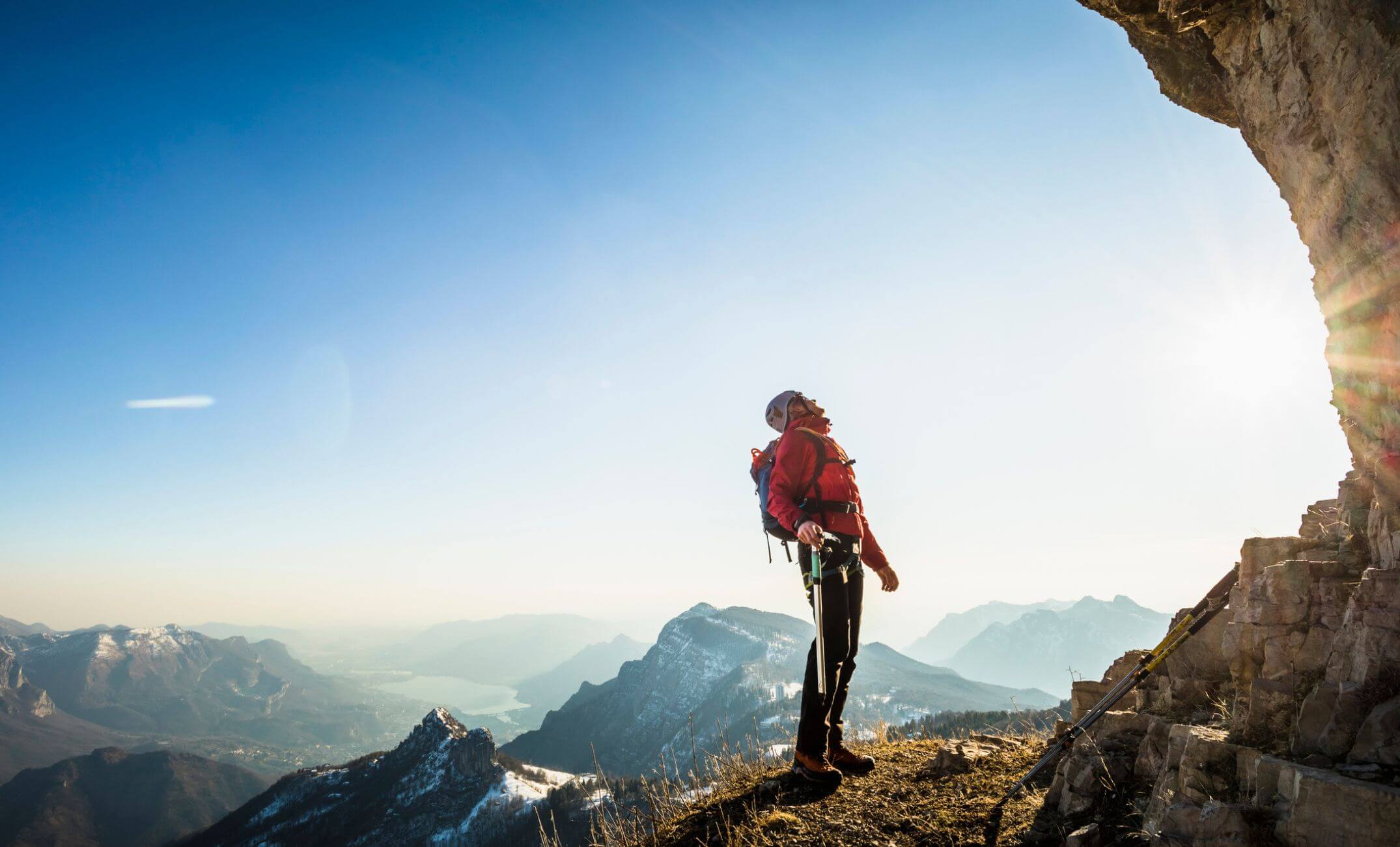
Understanding the Importance of Mountaineering Travel Insurance
Mountaineering travel insurance is specifically designed to cover the risks associated with climbing and trekking in mountainous regions. This coverage is essential for several reasons:
1. **Health Risks**: Climbing can pose serious health risks such as altitude sickness, injuries from falls, or dehydration. Travel insurance can cover medical expenses and emergency evacuations, ensuring you receive the necessary care without the burden of significant financial costs.
2. **Accident Coverage**: In the event of an accident on your climb, having proper insurance coverage can safeguard you against high medical bills or the cost of evacuation, which can easily reach thousands of dollars in remote areas.
3. **Trip Cancellation or Interruption**: Weather can be unpredictable in mountainous regions, leading to route changes or trip cancellations. Good insurance can reimburse you for non-refundable expenses, ensuring you’re not left out of pocket.
4. **Equipment Coverage**: Mountaineering often involves expensive gear. Should your equipment be lost, stolen, or damaged during your trip, insurance can help cover the costs of replacements or repairs.
5. **Peace of Mind**: Lastly, knowing that you’re insured allows you to focus on your adventure, minimizing anxiety about potential risks.
Factors to Consider When Choosing Travel Insurance
When selecting mountaineering travel insurance, it is essential to evaluate several critical factors:
1. **Scope of Coverage**: Ensure the policy explicitly covers mountaineering activities. Some insurance providers may categorize mountain climbing above a certain altitude as extreme sports, resulting in higher premiums or outright exclusions.
2. **Medical Coverage Limits**: Review the medical coverage provided, as medical expenses in remote locations can be costly. Aim for a policy with high limits to avoid out-of-pocket expenses.
3. **Emergency Evacuation**: Verify if the policy includes emergency evacuation services. In high-risk activities like mountaineering, being airlifted to safety can be necessary, so confirm these services are included.
4. **Pre-existing Conditions**: If you have any pre-existing medical conditions, check how they affect your coverage. Some insurers may impose waiting periods or exclusions for certain conditions.
5. **Claim Process**: Read reviews and feedback about the insurance provider’s claims process. An easy and transparent claim process can be incredibly beneficial when dealing with emergencies.
6. **Policy Flexibility**: Look for policies that allow adjustments, especially if your climbing plans may change. This flexibility ensures your insurance remains relevant to your adventure.
Expert Tips for Staying Safe While Mountaineering
While having insurance is crucial, practicing safe mountaineering is equally important. Here are some tips to enhance safety during your climbs:
1. **Preparation**: Ensure you are physically and mentally prepared for the specific challenges of your climb. Training in advance can significantly improve your resilience and ability to deal with adverse situations.
2. **Choose Your Route Wisely**: Research potential routes extensively. Consider factors such as weather conditions, difficulty levels, and potential hazards, and select a route that matches your experience and skills.
3. **Use Quality Gear**: Invest in high-quality mountaineering equipment. Regularly check your gear for wear and tear, and replace anything that is compromised.
4. **Travel with a Guide**: If climbing in unfamiliar territory, consider traveling with an experienced guide. They offer valuable local knowledge, helping you avoid dangers and navigate appropriately.
5. **Communicate Your Plans**: Inform someone about your climbing plans, including your route and expected return time. This ensures someone is aware of your itinerary and can raise the alarm if necessary.
6. **Stay Hydrated and Nourished**: Proper hydration and nutrition are vital for high-altitude climbs. Dehydration and lack of energy can impair judgment and physical ability, increasing the risk of accidents.
7. **Monitor Weather Conditions**: Keep an eye on weather forecasts, and be prepared to change your plans if conditions deteriorate. It’s essential to prioritize safety over reaching a summit.
Conclusion
In conclusion, mountaineering offers an extraordinary way to explore the great outdoors, but it comes with inherent risks that necessitate proper insurance coverage. Engaging in thorough research and understanding your policy, along with practicing safety precautions will allow you to enjoy your climbing endeavors fully.
Remember, while mountaineering travel insurance acts as a safety net, preparedness and vigilance are your best allies in ensuring a safe and enjoyable experience on the mountains. So, gear up, stay safe, and embrace the breathtaking adventures that await you.